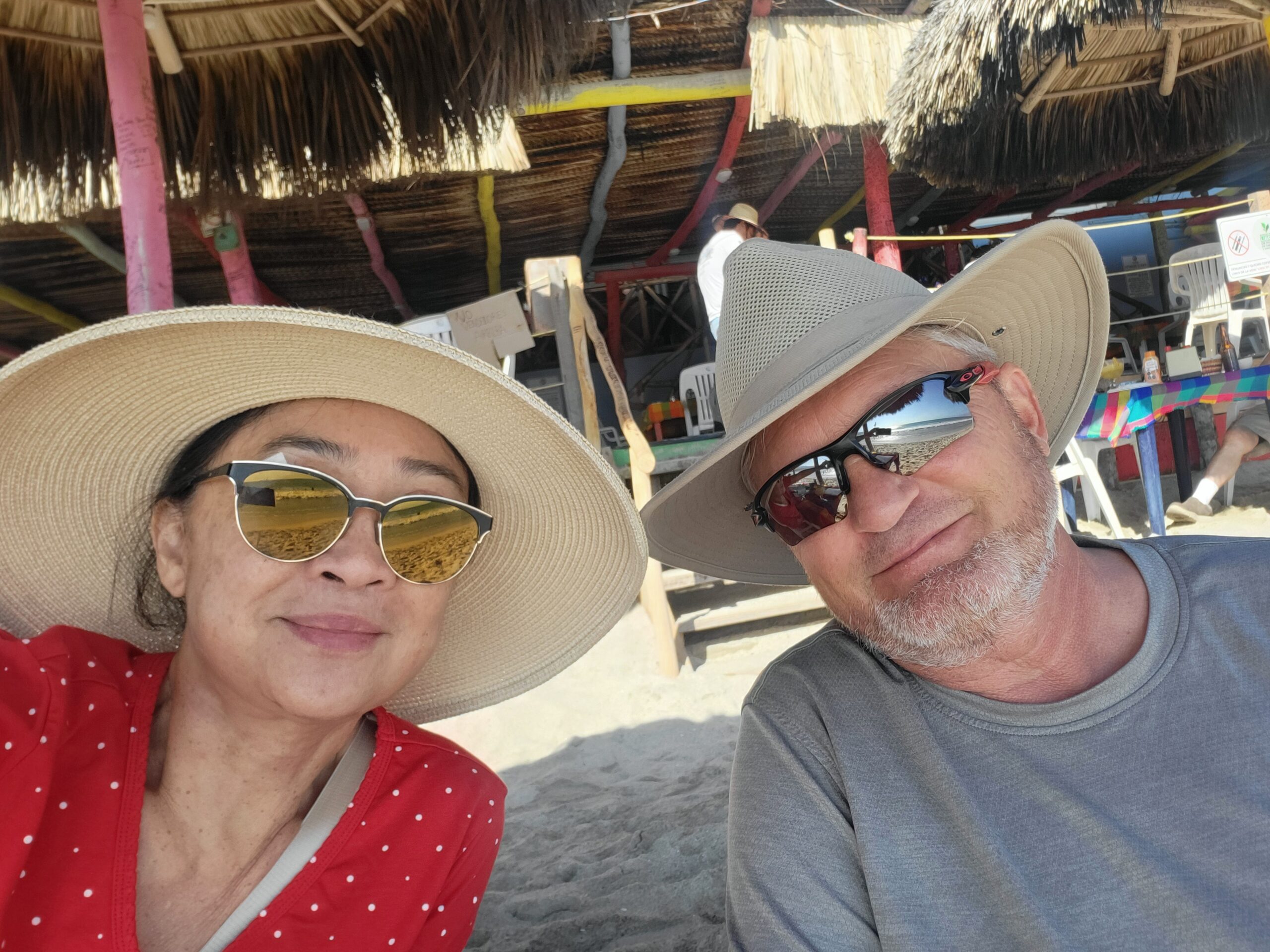
The Pacific Islands are one of the most enchanting regions on Earth—an endless stretch of turquoise water, lush landscapes, and cultures rich with tradition. Whether you’re dreaming of Fiji’s coral reefs, Samoa’s volcanic peaks, or Palau’s world‑class diving, planning your trip well will help you make the most of this unforgettable part of the world.
Why the Pacific Islands Are a Dream Destination
A Unique Blend of Culture, Nature, and Adventure
The Pacific Islands offer a rare combination of pristine beaches, vibrant marine life, and deeply rooted cultural traditions. You can spend one day snorkeling with manta rays and the next learning ancient dance rituals or sharing meals prepared in traditional earth ovens.
What Makes the Region So Diverse
The Pacific spans thousands of miles and includes three major cultural regions—Polynesia, Melanesia, and Micronesia—each with its own languages, customs, landscapes, and travel experiences. No two islands feel the same.
Choosing Which Pacific Islands to Visit
Polynesia (Hawaii, Samoa, Tonga)
Polynesia is known for dramatic volcanic scenery, strong cultural identity, and warm hospitality. Hawaii offers modern comforts, while Samoa and Tonga provide quieter, more traditional experiences.
Melanesia (Fiji, Vanuatu, Solomon Islands)
Melanesia is ideal for travelers seeking adventure and authenticity. Fiji’s resorts are world‑class, but its outer islands offer remote villages, jungle treks, and incredible diving.
Micronesia (Palau, Guam, Kiribati)
Micronesia is a paradise for divers and history lovers. Palau’s Rock Islands are legendary, and Guam blends American influence with Chamorro culture.
How to Match Islands to Your Travel Style
- For luxury: Fiji, Tahiti
- For culture: Samoa, Tonga
- For diving: Palau, Vanuatu
- For family travel: Hawaii, Fiji
- For off‑the‑grid adventure: Solomon Islands, Kiribati
Best Time of Year to Travel
Weather Patterns Across the Pacific
Most islands enjoy warm, tropical weather year‑round, but rainfall and humidity vary by region.
Avoiding Cyclone Season
Cyclone season typically runs from November to April. Travel outside these months for calmer seas and clearer skies.
Peak vs. Off‑Peak Travel Considerations
- Peak season (June–August): Best weather, higher prices
- Shoulder season (April–May, September–October): Great balance of cost and climate
- Off‑peak (November–March): Fewer crowds, more rain
Budgeting for Your Pacific Islands Trip
Typical Costs for Flights and Accommodation
Flights from the U.S. often range from $700–$1,500, depending on the island. Accommodation varies widely—from $40 guesthouses to $800+ luxury resorts.
Food, Activities, and Local Transportation
Expect to spend:
- Meals: $10–$25 (local), $40+ (resort)
- Activities: $50–$200 (diving, tours)
- Transportation: $5–$20 (local buses), $50–$150 (taxis or ferries)
Saving Money with Packages or Island Hopping Passes
Many airlines offer island‑hopping passes, and resorts often bundle meals and activities for better value.
Planning Your Itinerary
How Long to Stay on Each Island
A good rule of thumb:
- Small islands: 3–4 days
- Larger islands: 5–7 days
- Multi‑island trips: 10–14 days total
Balancing Relaxation and Adventure
Mix beach days with cultural tours, hikes, or water activities to experience the islands fully.
Sample Itinerary Ideas
7‑Day Fiji Trip:
- Day 1–2: Nadi + cultural village
- Day 3–5: Coral Coast snorkeling
- Day 6–7: Island hopping to Mamanucas
14‑Day Polynesia Trip:
- Samoa (5 days)
- Tonga (4 days)
- Tahiti (5 days)
Must‑See Attractions and Experiences
Beaches, Lagoons, and Coral Reefs
The Pacific is home to some of the world’s clearest waters and healthiest reefs—perfect for snorkeling and diving.
Cultural Festivals and Traditions
Attend fire knife dances, kava ceremonies, or traditional feasts to connect with local heritage.
Adventure Activities (Diving, Hiking, Sailing)
Try volcano hikes, shipwreck dives, waterfall treks, or sailing between islands.
Practical Travel Tips
Entry Requirements and Visas
Many islands offer visa‑free entry for U.S. travelers, but requirements vary. Always check before departure.
Health, Safety, and Travel Insurance
Travel insurance is strongly recommended, especially for remote islands with limited medical facilities.
Packing Essentials for Island Travel
- Reef‑safe sunscreen
- Lightweight clothing
- Waterproof bag
- Snorkel gear
- Power adapters (varies by island)
Respecting Local Culture and Customs
Dress modestly in villages, ask before taking photos, and follow local etiquette around ceremonies and sacred sites.
Sustainable and Responsible Travel
Supporting Local Communities
Choose locally owned accommodations, guides, and restaurants.
Eco‑Friendly Accommodation and Activities
Look for eco‑certified resorts and tours that protect wildlife and minimize environmental impact.
Protecting Marine Life and Coral Reefs
Use reef‑safe sunscreen, avoid touching coral, and follow responsible snorkeling and diving practices.
Final Thoughts
Why the Pacific Islands Should Be Your Next Adventure
Few destinations offer such a perfect blend of natural beauty, cultural richness, and peaceful escape.
How to Start Planning Today
Pick your island group, choose your travel season, and begin building an itinerary that blends relaxation, culture, and adventure.