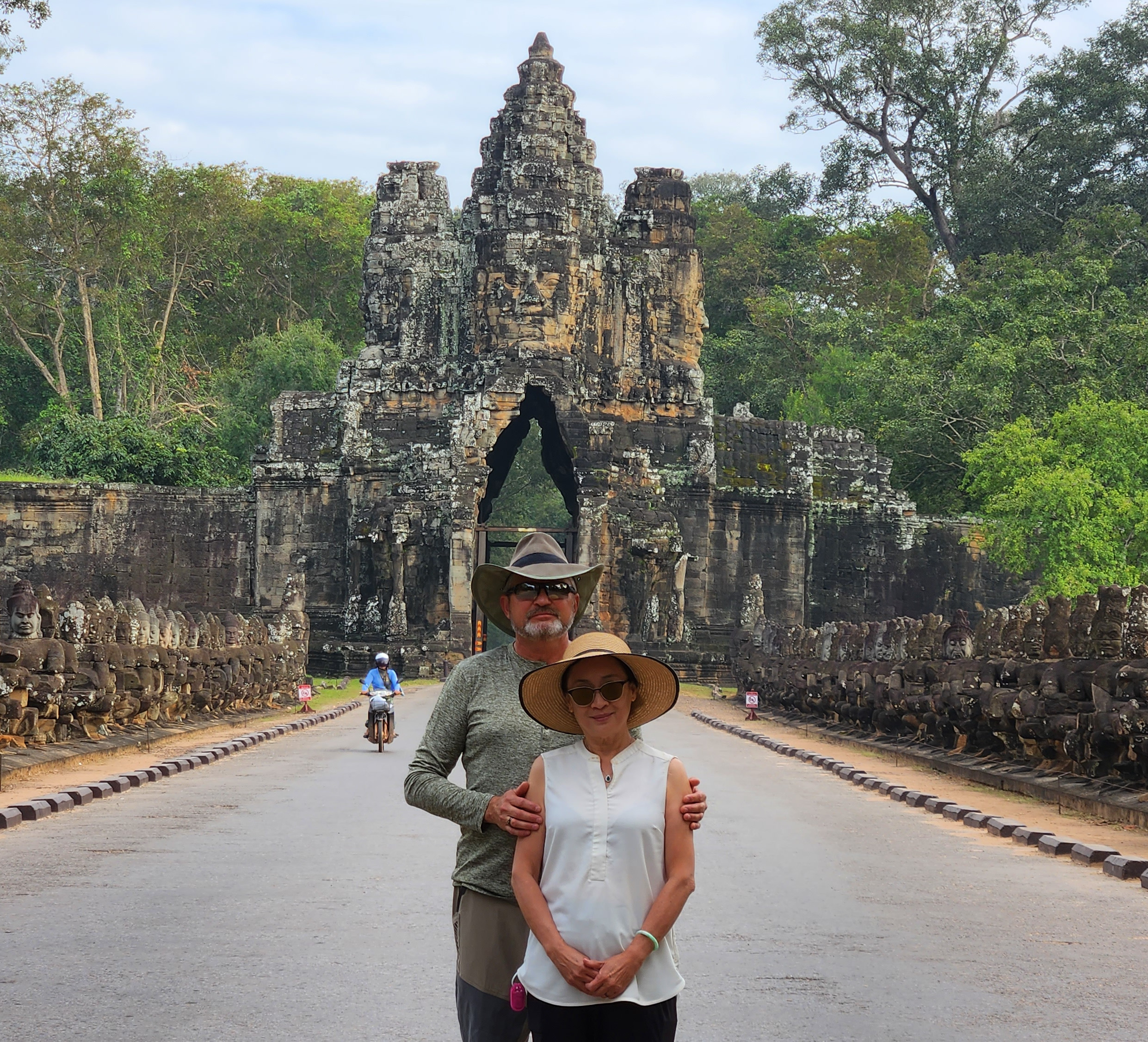
Imagine standing at the edge of a dense jungle just as the morning mist begins to clear. Through the trees, massive stone spires emerge, carved with intricate faces that have stared silently across the centuries. There is a distinct, humbling magic in stepping onto grounds where powerful empires once thrived, feeling the cool touch of weathered relief carvings, and listening to the soft rustle of leaves over ancient pathways.
Whether you are a seasoned backpacker or planning your first major cultural expedition, navigating these vast historical sites requires a bit of insider know-how. Here is your essential guide to exploring the ancient ruins of Asia safely, respectfully, and memorably.
Asia is home to some of the most spectacular archaeological sites on the planet. From sprawling temple complexes engulfed by banyan roots to forgotten brick stupas scattered across golden plains, these historical wonders offer far more than a simple photo opportunity—they are portals into human history, architectural genius, and spiritual heritage.
Must-Visit Ancient Ruins in Asia
While Asia boasts thousands of historic sites, a few legendary destinations deserve a spot on every traveler’s bucket list.
1. Angkor Archaeological Park (Cambodia)

Spanning over 400 square kilometers, Angkor was once the heart of the mighty Khmer Empire. While Angkor Wat draws the biggest crowds, don’t miss Ta Prohm—where giant silk-cotton tree roots strangle ancient stone doorways—or Bayon, famous for its hundreds of serene, giant stone faces looking down from the towers.
2. The Plains of Bagan (Myanmar)

Imagine an open landscape dotted with more than 2,000 Buddhist temples and pagodas dating back to the 11th century. Renting an e-bike to wander between the quiet, lesser-known stupas at dawn offers an unforgettable sense of discovery.
3. Ayutthaya Historical Park (Thailand)

Just a short train ride north of Bangkok lies the former capital of the Kingdom of Siam. Destroyed in the 18th century, its red-brick ruins and headless Buddha statues evoke a poignant sense of grandeur. Be sure to visit Wat Mahathat to see the famous Buddha head wrapped naturally within the roots of a Bodhi tree.
4. Borobudur and Prambanan (Indonesia)
Located near Yogyakarta on the island of Java, these two neighboring sites represent peak ancient artistry. Borobudur is the world’s largest Buddhist temple, built like a massive stone mandala, while Prambanan features towering, pointed Hindu temples dedicated to the Trimurti.
Practical Tips for the Trail: How to Plan Your Visit
Visiting ancient sites in tropical or subtropical climates presents unique physical demands. A little preparation goes a long way toward turning a hot, exhausting day into an incredible adventure.

Beat the Heat and Beat the Crowds
- Start at First Light: Arriving right when gates open (usually around 5:30 AM or 6:00 AM) lets you catch sunrise, beat the scorching midday heat, and enjoy the ruins before tour buses arrive.
- Embrace Midday Rest: Plan your day in two shifts. Explore early morning, return to your hotel or a local café during peak sun hours (12:00 PM to 3:00 PM), and head back out for late afternoon light.
- Stay Hydrated: Tropical humidity will drain your energy faster than you think. Carry a reusable insulated water bottle and pack electrolyte powders to replenish lost salts.
Pack the Essential Gear
When spending 6 to 8 hours on foot over uneven stone terrain, comfort is essential. It is hot and humid. And when it rains, umbrellas are not always as appreciated as the ability to dry quickly:
- Footwear: Choose breathable trail runners, sturdy walking sandals, or slip on water shoes with good traction. Avoid brand-new shoes that haven’t been broken in and laces. When visiting ancient temples, you may be required to remove your shoes. In locations where there are many tourists, you likely won’t get a seat or opportunity to tie laces.
- Hydration Pack: A hydration pack allows you to easily carry drinking water, while also providing storage for items (such as a jacket, insect repellant, or an umbrella).
- Sun Protection: A wide-brimmed hat, polaroid sunglasses, and broad-spectrum sunscreen are non-negotiable.
- Insect Repellent: Dense jungle foliage around sites like Angkor or Sigiriya (Sri Lanka) means mosquitoes are common, especially around sunrise and sunset. And you will not want to miss a sunrise at these locations. The ancient people were deeply religious and what better way to appreciate your beliefs than celebrating sunrise.
Dress Appropriately
- Wear lightweight, loose-fitting clothing of wicking material. Best for hot humid climate, lightweight merin wool long sleeve T-shirts or hoodie and linen trousers. Lightweight Merino wool is an optimal choice as it allows for significant air flow, doesn’t absorbe body odors, is UV resistant, and dries extremely quick.
- Lightweight, breathable rain jacket that can easily roll up into your hydration pack. Many places will not let you carry an umbrella into some ancient ruins or temples and when you exit, it might not be there.
- Carry a light scarf or sarong in your daypack—it’s great for covering up quickly before entering a temple sanctuary.
- Avoid clothing with offensive graphics or revealing cuts. It is best to avoid clothing with any images or writing in order to ensure you are mindful to the beliefs, customs, and culture.
Temple Etiquette and Responsible Travel
Many of Asia’s ancient ruins remain active places of worship or carry deep sacred significance for local communities. Showing cultural respect ensures these monuments stay preserved and welcoming for everyone. Most locations will not allow you in a temple if your shoulders or knees are exposed.
Most sacred sites enforce a strict dress code. A simple rule of thumb to keep in mind: cover your shoulders and knees.
Mindful Photography and Behavior
Remember: You are walking through history, not a theme park. Treat every stone structure with the care you would give a museum artifact. Keep in mind, many of these buildings were built and several have been in use, longer than most European and American nations have existed. These testiments to mankind merit our respect.
- Do Not Touch or Climb: Oils from human hands accelerate the erosion of ancient carvings. Never climb on fragile walls, stupas, or lintels unless explicit signage permits it.
- Photograph Respectfully: Always ask permission before photographing monks or local worshippers. Avoid posing inappropriately with sacred statues (e.g., mimicking Buddha poses or turning your back directly to an altar for selfies).
- Leave No Trace: Pack out all trash, including small plastic wrappers, and stick to designated walking paths to prevent ground erosion around fragile foundations.
Key Takeaways for Your Adventure
To recap, here is your quick-reference checklist before heading out to explore Asia’s ancient heritage:
- Timing is Everything: Aim for early mornings and late afternoons to avoid extreme heat and heavy crowds.
- Dress Respectfully: Keep shoulders and knees covered out of respect for local spiritual customs.
- Pace Yourself: These complexes are vast—don’t try to see everything in a single afternoon. Give yourself time to pause, reflect, and soak in the atmosphere.
- Hire a Local Guide: Hiring a licensed local guide at the entrance not only provides deep historical context you can’t get from a signboard, but it directly supports the local economy.
Final Thoughts
Stepping into Asia’s ancient ruins offers a profound connection to human history. These places remind us of the rise and fall of great civilizations, the brilliance of ancient engineering, and the enduring power of human faith and artistry. By traveling mindfully, dressing respectfully, and taking your time to wander off the primary pathways, you’ll uncover moments of quiet awe that will stay with you long after the dust settles on your boots.
Pack your daypack, lace up your walking shoes, and get ready to step back in time!