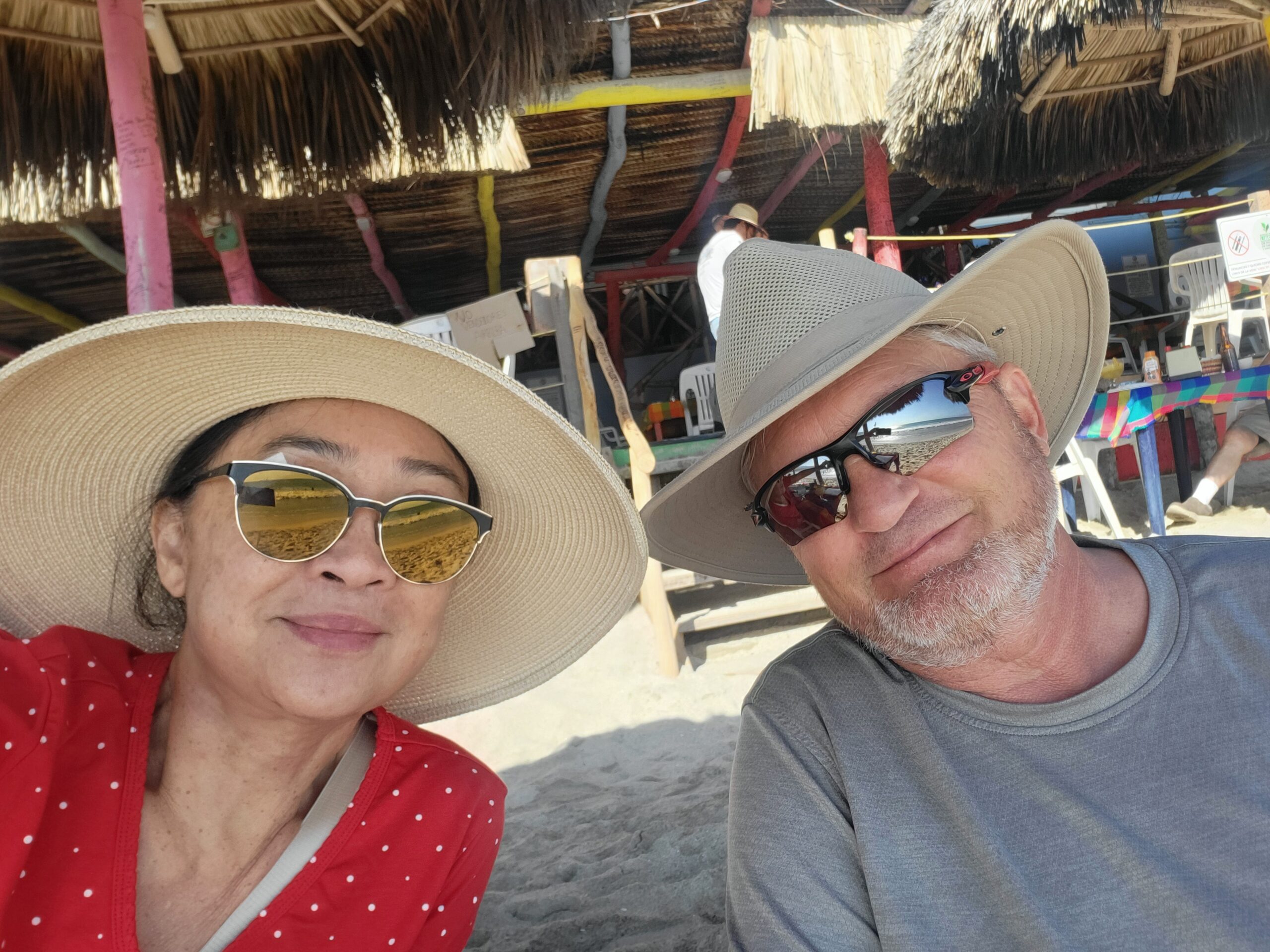
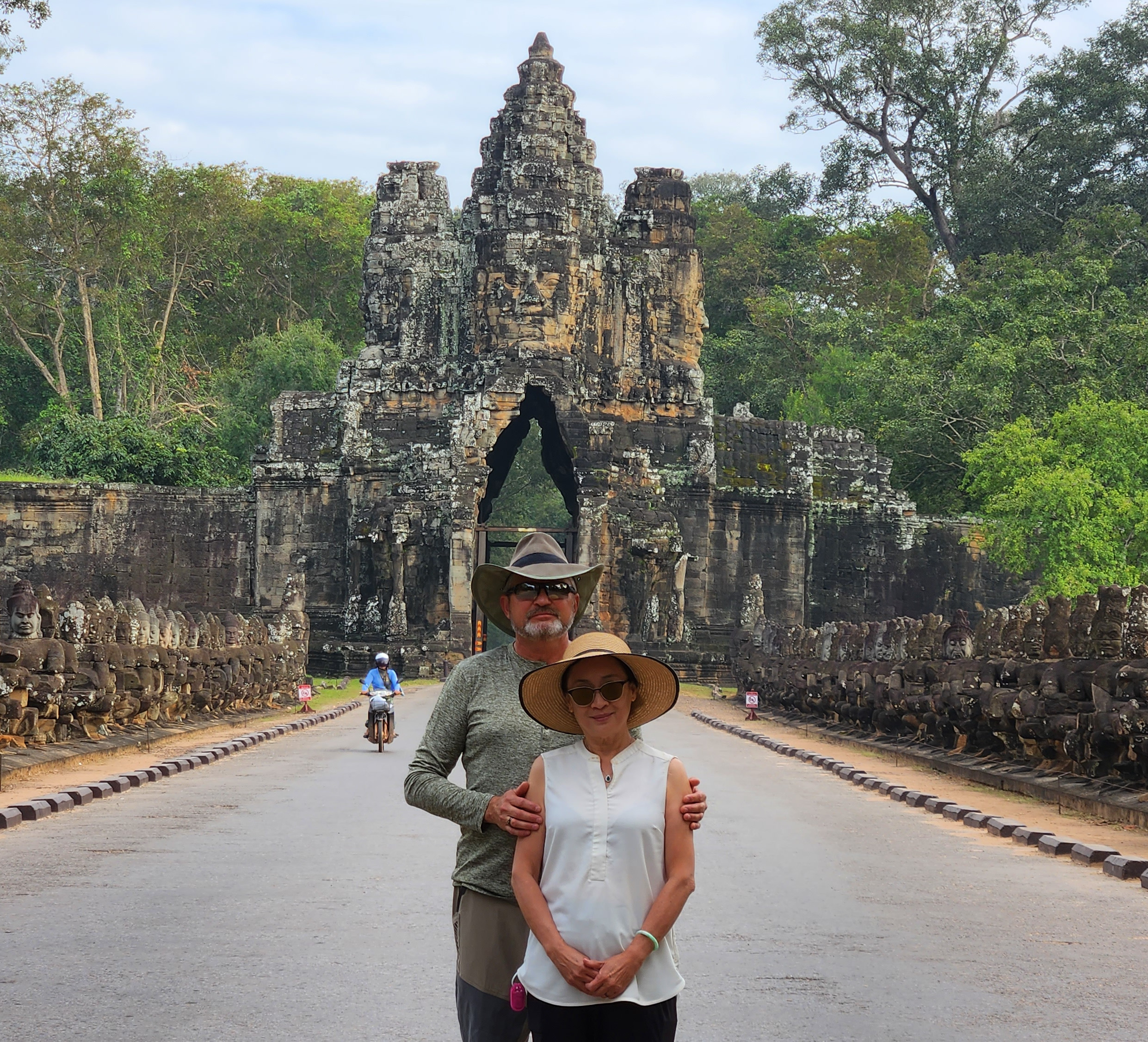
“Hello, CamHong and Paul and this is the tedious part of any adventure…planning. We are on the roam for that next perfect place to call home. And we get it, taking that first step to a new city across the state or that dream location abroad can be intimidating. But it doesn’t have to be. Grab a seat, and let’s do some research on our next destination! The world isn’t something to fear—it’s something to experience.”
Scouting Seoul, Special City, Republic of Korea: A Modern Asian Retirement Haven for Active Couples
Traditional Welcome: 안녕하세요 (Annyeonghaseyo! “May you be in peace and good health.”) [1]

The iconic N Seoul Tower perched atop Namsan Mountain overlooks the vast, ultra-modern urban landscape of Seoul, South Korea. Source: Photo curated from South Korea Explorers.
Official Seoul GuideHow Does Seoul, Korea Compare?
When Paul and I first began discussing Asia as a retirement scouting trip, Seoul wasn’t immediately at the top of our list—we assumed it was purely a hyper-dense, high-tech jungle best suited for 20-something digital nomads. But after diving deep into the realities on the ground, Seoul continuously blew us away. Compared to traditional expat hubs in Southeast Asia or Southern Europe, Seoul offers an unprecedented combination of world-class healthcare, near-zero violent crime, spotless public transit, and immediate access to nature. While it lacks the low cost of living found in Thailand or Portugal, it repays you with unrivaled civic organization, senior accessibility, and dynamic energy.
Initial Impressions & Geographic Layout
Seoul is the beating heart of the Republic of Korea, situated in the northwestern part of the country along the banks of the majestic Han River (Hangang). Arriving here feels like stepping 15 years into the future, yet ancient Joseon-dynasty royal palaces sit right alongside sleek glass skyscrapers. Mountain peaks frame the northern boundary, giving the entire metropolis a unique blend of urban dynamism and natural tranquility.
Local Saying: “Seoul is a city where 600 years of royal heritage and the rhythm of tomorrow live in perfect harmony.” [2]
Detailed political and topographical map highlighting Seoul’s strategic location relative to Incheon and the Korean Peninsula. Source: Map illustration courtesy of WorldAtlas.
Korean Government PortalPopularity for Vacationing & Retirement
Over the past 3 years, South Korea has seen a massive surge in North American visitors, averaging over 1.1 million visitors annually from the US and Canada alone [3]. While permanent non-citizen retirement visas are restricted, an estimated 15,000 to 20,000 North American retirees live long-term in the Seoul Capital Area via long-term residence visas (F-series), heritage visas (F-4 for Korean-Americans), or the newly expanded Digital Nomad Workation Framework (F-1-D) [4].
Things to Do, Active Living & Relaxation
For retirees over 50 who love staying active, Seoul is a paradise disguised as a capital city. The Han River Parks system features over 40 kilometers of dedicated, paved cycling and walking trails along both riverbanks. Mountain hiking is practically a national religion here—the entrance to Bukhansan National Park is accessible directly via city subway!
- Biking & Walking: Rent public Ddaranggi bicycles for less than $1/hour and ride along the Han River tributaries.
- Golf & Tennis: World-class golf courses surround the outskirts in Gyeonggi-do, while screen golf cafes (Screen Golf) are located on almost every block in Seoul.
- Water Activities: Kayaking, paddleboarding, and windsurfing are popular at Ttukseom Hangang Park. While Seoul is inland, ocean beaches like Eulwangri and Eurwangni in nearby Incheon are under 60 minutes away for coastal living days.

Golfing is one of the premier leisure pastimes for local and expat retirees around Gyeonggi Province and outer Seoul. Source: Top 100 Golf Courses Top 100 .
Korea Golf CollectionNavigating Transit & Getting Around
Airports, Rail Hubs & Public Transport
Seoul is served by two major international gateways: Incheon International Airport (ICN)—consistently ranked among the world’s top 3 airports—and Gimpo International Airport (GMP) for domestic and regional flights [5]. The high-speed KTX train system from Seoul Station connects you to Busan on the southern coast in under 2.5 hours!
Seoul’s public transit is a dream for seniors: clean, air-conditioned, precise, and completely bilingual in English. Using a rechargeable T-money Card or the Climate Card (unlimited monthly transit pass for ~65,000 KRW / $48 USD), subways cost roughly $1.10 per ride, and city buses are under $1.20 [6].
Apps, Ride Share & Public Restrooms
Forget Uber or Google Maps—in Korea, localized apps rule. Download Kakao T for instant, reliable taxi hailing with credit card integration, and Naver Map or KakaoMap for flawless turn-by-turn walking, driving, and subway directions in English [7].
Public Restroom Access: One of Paul’s absolute favorite parts of Seoul is that free, impeccably clean, temperature-controlled public restrooms with bidet seats and toilet paper are available in every single subway station, public park, and civic building across the city!
Where to Stay & Accommodation Costs
During a scouting trip, we recommend booking a serviced apartment or home stay rental in central neighborhoods like Jongno or Mapo. Mid-range hotels run $80–$140/night, while 1-bedroom vacation rentals or long-term Airbnb/Vrbo style stays average $1,800–$2,800/month depending on location.
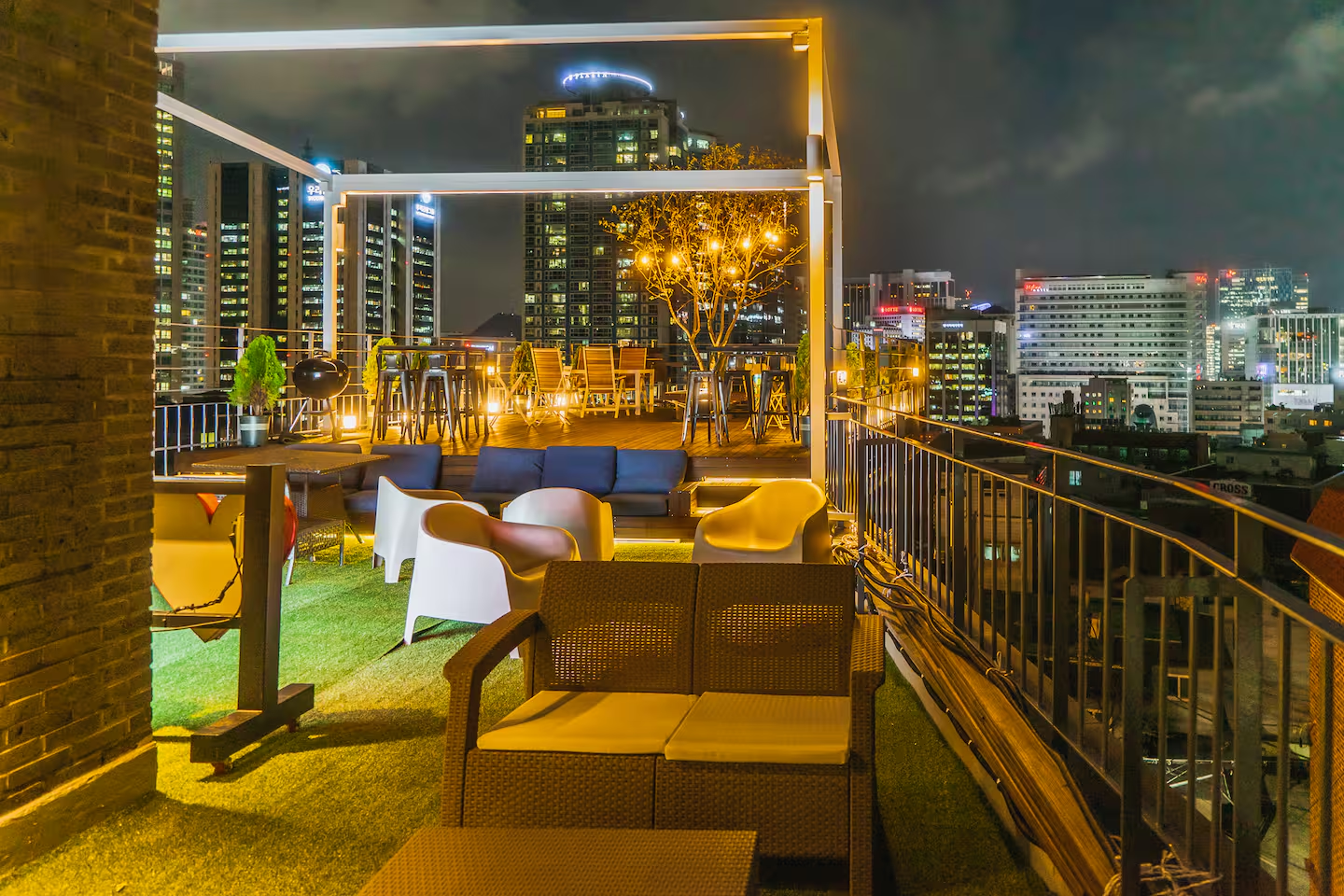
Contemporary rental apartments in Seoul offer breathtaking skyline views, floor heating (Ondol), and modern amenities ideal for scouting trips. Source: AirBnB AirBnb Rentals.
Browse Rental StaysCulture, Etiquette & Pet Friendly Living
While English is widely taught and young Koreans speak basic English, signs and transit feature full English translations. Korean culture deeply respects older adults—younger people will routinely yield subway seats to seniors! Key etiquette rules to remember:
- Two-Handed Courtesy: Pass and receive money, credit cards, or drinks using both hands.
- Shoes Off: Always remove your shoes when entering a Korean home or traditional floor-seating restaurant.
- Attire: Dress is stylish yet modest. Very revealing low-cut tops are generally frowned upon for women in public settings, though shorts and skirts are common.
Traveling with Pets: Koreans love pets! Seoul features specialized dog parks along the Han River and pet-friendly cafes. To bring a dog or cat into South Korea from the US, you need an ISO microchip, proof of rabies vaccination, and an official USDA-endorsed FAVN Rabies Titer Test result [8].

Pets are deeply cherished family members in Seoul, with dog strollers and canine boutiques visible throughout urban parks. Source: Photo via Mims On The Move Travel Blog.
Korea Animal Quarantine GuidelinesPace of Life, Arts Scene & Popular Neighborhoods
Retiree life in Seoul can be as relaxing or vibrant as you want. Mornings begin with tea at a traditional Hanok cafe in Ikseon-dong, afternoons browsing modern exhibitions at the National Museum of Modern and Contemporary Art (MMCA), and evenings dining on sizzled Korean BBQ at Gwangjang Market [9].
Popular Suburbs & Expat-Friendly Districts
- Jongno-gu: Historic heart of old Seoul, filled with palaces, art galleries, and serene walking alleys.
- Mapo-gu / Yeouido: Modern, green, and river-adjacent with superb walking paths along the Hangang.
- Songpa-gu (Lotte World / Seokchon Lake): Quiet, upscale suburban feel with tree-lined lake promenades.
- Bundang / Pyeongtaek: Suburban master-planned communities popular with North American military veterans and expats due to proximity to US facilities.

Gyeongbokgung Palace, built in 1395, stands as Seoul’s largest and most magnificent royal attraction. Source: Heritage photo via The Seoul Guide.
Visit Royal Palaces SiteBasics of Living in Seoul: Costs, Healthcare & Safety
1. Why Retire in Seoul? Unmatched physical safety, zero-tolerance for street crime, clean urban environment, and world-leading healthcare access.
2. Social Diversity & Expats: Highly welcoming to foreign visitors. English-speaking clubs, senior walking groups, and expat communities are thriving through platforms like Meetup and the Seoul Global Center [10].
3. Climate & Seasons: Four distinct seasons! Spring brings cherry blossoms, autumn delivers breathtaking foliage. Summers (July-August) bring humid monsoon rains (Jangma), while winters (Dec-Feb) are crisp and cold with occasional snow.

Winter in Seoul brings scenic snowfalls, cozy hot-floor heating, and traditional seasonal tea house gatherings—let’s not forget a trip to Korea’s famous baths. Source: Record Winter Snowfall in Seoul Bookmundi.
Korea Meteorological Admin4. Housing & Everyday Costs: Median 2-bedroom apartment rents range from $1,200 to $2,200/month. Groceries and dining out are very affordable—a full meal at a local restaurant costs $7–$12 per person!
5. World-Class Healthcare & VA Access: South Korea’s medical system is rated among the top 5 globally. Major tertiary facilities like Seoul National University Hospital (SNUH) and Asan Medical Center feature dedicated International Healthcare Centers with fluent English-speaking doctors. For military veterans, the state-of-the-art Brian D. Allgood Army Community Hospital is located within 50 miles at USAG Humphreys (Pyeongtaek) via high-speed train [11].

The Samsung Medical Center offers world-leading specialized care and dedicated international patient services. Source: Samsung Medical Center photo via World Class Medical Care.
Samsung Medical Center6. Safety & Walkability: Seoul is consistently ranked as one of the safest cities on Earth. Nighttime strolls through city parks are 100% safe, violent crime against seniors is almost non-existent, and lost wallets are routinely returned to local police stations intact [12].
Travel, Visa & Entry Requirements for Foreigners
- Visas & Entry: US and Canadian passport holders receive a 90-day visa-free stay upon entry. For extended stays, Korea’s updated Digital Nomad Workation Visa (F-1-D) allows remote workers and foreign retirees with eligible income to stay for up to 3 years [13].
- Driving & Transport: To rent a car, you must carry an International Driving Permit (IDP) alongside your US driver’s license [14]. However, driving in central Seoul is unnecessary due to world-class public transit.

Modern highway arteries like the Olympic Expressway link Seoul seamlessly with airport hubs and coastal towns. Source: Infrastructure photography via The Korea Times.
Korea Expressway Corp
Evening gatherings in traditional Hanok tea houses and courtyard restaurants offer an unmatched, romantic atmosphere for couple scouting trips. Source: Photo via The Calm Chronicle.
Discover Dining SpotsDecisions, Decisions: What Fellow Nomads & Expats Say
Don’t just take our word for it! Here are 5 outstanding, real-world expat resources and travel creators who have walked this path before us:
- Digital Nomads Korea Community Portal – The primary hub for long-term remote workers and expats navigating Korean visas and living.
- Simon & Martina / Eat Your Kimchi (YouTube) – Extensive video archives documenting daily life, healthcare, and culture in Seoul.
- Mims On The Move Blog – In-depth guide to pet-friendly living and neighborhood exploration in South Korea.
- Where Are Those Morgans Travel Guides – Excellent breakdown of Seoul transportation, itineraries, and budgeting for mid-career couples.
- Everyday Korea Expat Facebook Group – Active community forum offering peer-to-peer advice on apartments, healthcare, and local living.
Footnotes & Reference List
- National Institute of Korean Language – Standard Honorific Greetings & Etiquette. www.korean.go.kr ↩
- Seoul Metropolitan Government – Official Tourism Slogan & Cultural Heritage Division. visitseoul.net ↩
- Korea Tourism Organization (KTO) – Annual Inbound Visitor Statistics & Tourism Market Reports. kto.visitkorea.or.kr ↩
- Ministry of Justice, Republic of Korea – Long-Term Residence Visa & Expat Population Data. immigration.go.kr ↩
- Incheon International Airport Corporation – Terminal Services & Rail Links. airport.kr ↩
- Seoul Metropolitan Rapid Transit (SMRT) – T-money & Climate Pass Fare Structure. seoulmetro.co.kr ↩
- Kakao Corp & Naver Corp – Mobility & Mapping Apps for English Travelers in South Korea. kakaocorp.com ↩
- Animal and Plant Quarantine Agency (APQA) South Korea – Domestic Animal Import Regulations. qcode.go.kr ↩
- National Museum of Modern and Contemporary Art (MMCA) Seoul – Cultural Exhibitions. mmca.go.kr ↩
- Seoul Global Center – Foreign Resident Support Services & Community Clubs. global.seoul.go.kr ↩
- U.S. Army Medical Department – Brian D. Allgood Army Community Hospital (BDAACH) at USAG Humphreys. briandallgood.tricare.mil ↩
- Numbeo & World Crime Index – Safety Index & Crime Comparison by City (Seoul Ratings). numbeo.com ↩
- Ministry of Justice Korea – Digital Nomad (Workation) F-1-D Visa Regulations Formalized. EY Tax Alert 2026 ↩
- AAA International Driving Permits – Foreign Operator Requirements in South Korea. aaa.com ↩